Published July 18, 2026 · Reviewed by the Unbiased Advice & Insights editorial team · How we research and score
A food processor can transform your cooking by making chopping, slicing, shredding, and mixing fast and easy. But with so many models on the market, choosing the right one can feel overwhelming. This guide breaks down the key factors: capacity, motor power, bowl material, attachments, ease of cleaning, and price. We also explain the different types (mini, full-size, commercial) to help you decide based on your cooking habits and budget.
Why You Need a Food Processor
A food processor saves time and effort. It can chop vegetables for salsa, slice potatoes for gratin, shred cheese for tacos, knead dough for bread, and even make nut butters. Unlike a blender, it uses interchangeable discs and blades to handle dry and wet ingredients without adding much liquid. For anyone who cooks regularly, a food processor is a versatile workhorse.
Types and Sizes: Mini, Full-Size, Commercial
Food processors come in three main categories based on capacity and intended use.
Mini food processors have a small work bowl (3 to 4 cups). They are ideal for chopping garlic, herbs, nuts, or making small batches of pesto. They take up little counter space and are easy to clean. However, they cannot handle large quantities or dough. Popular mini models include the KitchenAid 3.5 Cup and Cuisinart Mini-Prep Plus.
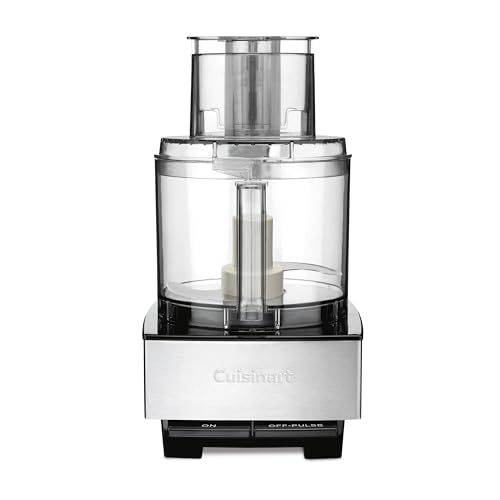
Full-size food processors range from 7 to 14 cups. This is the most common size for home cooks. A 7-cup model works well for a couple or small family, while a 12-14 cup model suits larger meals or batch prep. They come with a variety of discs and blades. Examples include the Cuisinart 14-Cup Custom, KitchenAid 13-Cup, and Breville Sous Chef 12.
Commercial food processors have large capacities (16 cups or more) and powerful motors (1000+ watts). They are built for heavy daily use in restaurants or for serious home cooks who process large volumes. They are bigger, heavier, and more expensive. Brands like Robot Coupe and Magimix dominate this category.
Key Features to Consider
When comparing models, focus on these six features.
Capacity
Think about how much you typically cook. If you mostly make small batches, a 7-cup processor is enough. For large families or meal prepping, choose 12 cups or more. Keep in mind that the stated capacity is the total volume; you should not fill it to the brim. A 14-cup model can handle about 8-10 cups of solid ingredients comfortably.
Motor Power
Motor power is measured in watts or horsepower. Most home processors have 600-750 watts, which is sufficient for chopping, slicing, and shredding. For kneading stiff dough or continuous heavy use, look for 1000 watts or more. A more powerful motor also means faster processing, but it can be louder. Check the current price on Amazon for models with different wattages.
Bowl Material
Bowls are typically made of plastic, glass, or stainless steel. Plastic bowls are lightweight, shatter-resistant, and affordable. They may scratch or stain over time. Glass bowls are heavy, non-porous, and do not absorb odors, but they can break if dropped. Stainless steel bowls are durable and professional-looking, but expensive and you cannot see the food inside. For most home cooks, high-quality BPA-free plastic is a practical choice.
Attachments and Blades
Most food processors come with an S-shaped chopping blade, a shredding disc, and a slicing disc. Some include a dough blade, a whisk attachment, or a citrus juicer. More attachments add versatility but also increase cost and storage needs. Consider what you will use most. For example, if you bake often, a dough blade is valuable. If you make fries, a julienne disc is handy.
Ease of Cleaning
Look for dishwasher-safe parts (bowl, lid, blades, discs). Some models have a seal that is difficult to clean by hand. A smooth bowl without crevices is easier to wash. Also check if the feed tube is wide enough to fit whole fruits or vegetables without pre-cutting.
Price
Prices vary widely. Mini processors start around $30-$50. Full-size models range from $60 for basic models to $200-$300 for premium brands like Cuisinart, Breville, or Magimix. Commercial processors can cost $500 or more. Set a budget based on how often you will use it. A mid-range model often offers the best value.
Cleaning and Maintenance
Proper cleaning extends the life of your food processor. Always unplug before cleaning. Rinse the bowl and lid immediately after use to prevent food from drying. Most parts are dishwasher safe, but check the manual. Blades are sharp; wash them separately and handle with care. Dry all parts thoroughly before storing. Avoid abrasive cleaners that can scratch plastic bowls. Periodically check the seal on the lid for wear.
Frequently Asked Questions
Can a food processor replace a blender? Not entirely. A blender is better for liquids, smoothies, and pureeing soups. A food processor excels at chopping, slicing, and mixing solid foods. Some tasks overlap, but each appliance has strengths.
What is the difference between a food processor and a chopper? A chopper is a smaller, simpler device with a single blade for chopping. It cannot slice or shred. A food processor is more versatile with multiple discs and a larger capacity.
How do I prevent leaking? Ensure the bowl is properly locked onto the base and the lid is sealed. Do not overfill. If your model leaks, check the gasket for damage and replace if needed.
Which brand is most reliable? Cuisinart, KitchenAid, Breville, and Magimix are known for quality and durability. Hamilton Beach offers budget-friendly options. Read buyer reviews to gauge long-term performance.
More guides
See our full buying guides hub and our research and scoring methodology. We compared specifications and verified owner feedback; we did not physically test every product.